
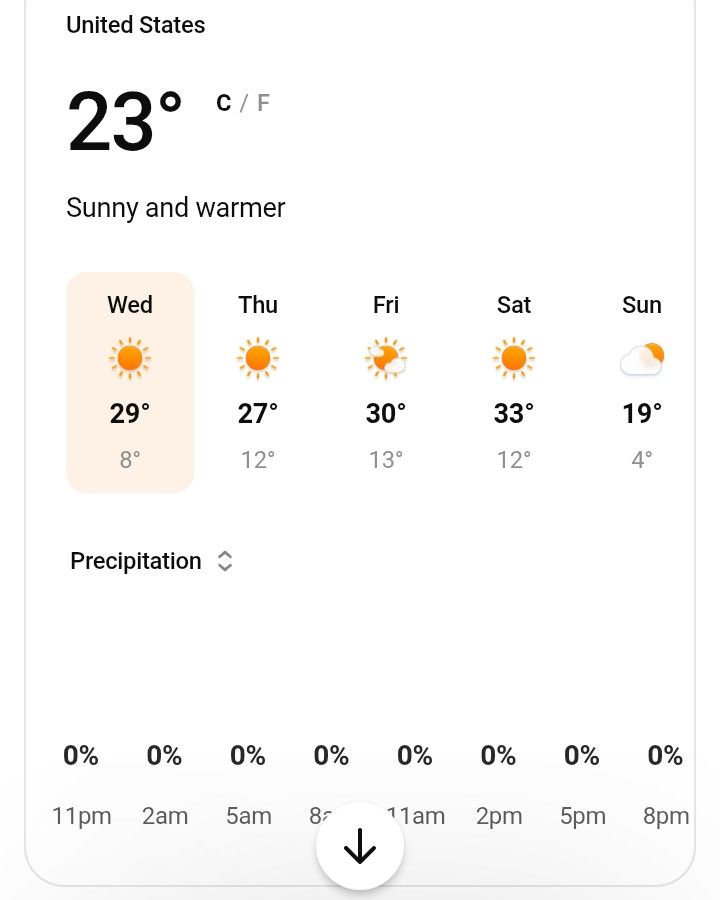
The sky doesn’t always warn you before it turns dangerous—and today, millions across the United States are being told to stay alert as severe weather conditions begin to unfold. From sudden temperature swings to powerful storms forming across multiple regions, this is not just another routine forecast. It’s a developing situation that could disrupt travel, damage property, and put lives at risk within hours.
A Nation on Edge as Weather Patterns Shift Rapidly
Across the U.S., meteorologists are tracking an unstable atmospheric system that is intensifying quickly. Warm air masses are colliding with colder fronts, creating the perfect setup for severe thunderstorms, heavy rainfall, and even tornado risks in certain states. These volatile conditions are especially concerning because they can escalate with little warning.
In recent hours, weather agencies have issued alerts across several regions, urging residents to stay indoors and monitor updates closely. What makes this situation more alarming is the unpredictability. A sunny morning can quickly turn into a storm-filled afternoon, catching many off guard.
Regions Most Affected by the Alert
While weather patterns vary across the country, certain areas are facing higher risks today. The central and southern states are currently under the greatest threat, where storm systems, strong winds, and flash flooding are expected to intensify. Cities in these regions may experience sudden power outages and transportation disruptions.
Meanwhile, parts of the Midwest and East Coast are seeing rapidly changing temperatures, creating additional hazards. The sharp contrast between warm and cool air is fueling storm development, making conditions even more dangerous as the day progresses.
What’s Driving This Severe Weather Event?
The primary cause behind today’s alert lies in atmospheric instability. When warm, moist air rises and meets cooler, dry air above, it creates turbulence in the atmosphere. This process often leads to the formation of supercell storms, which are known for producing hailstorms, damaging winds, and even tornadoes.
Additionally, jet stream activity is playing a significant role. Fast-moving air currents high above the Earth are accelerating storm systems, allowing them to travel quickly across states. This means areas that are currently calm could face severe conditions within a short time frame.
Potential Impacts on Daily Life
Severe weather alerts are not just about rain and wind—they have real consequences on everyday life. Flights may be delayed or canceled, highways could become dangerous due to reduced visibility, and local businesses might temporarily shut down to ensure safety.
For families, this means preparing for possible emergencies. Power outages can last for hours or even days in extreme cases. Schools and offices in affected regions may also announce closures if conditions worsen.
Emergency Preparedness: What You Should Do Now
Authorities are advising residents to take immediate precautions. Staying informed is the first step. Keep an eye on local news updates and weather alerts on your phone. If you live in a high-risk area, prepare an emergency kit with essentials like water, food, flashlights, and batteries.
It’s also important to identify safe areas in your home. Basements or interior rooms without windows offer the best protection during severe storms or tornado warnings. Avoid unnecessary travel, especially during peak storm hours.
Climate Trends and Increasing Weather Extremes
Events like this are becoming more frequent, raising concerns among experts. Changing climate patterns are contributing to more intense and unpredictable weather events. Rising global temperatures are increasing the amount of moisture in the atmosphere, which can lead to heavier rainfall and stronger storms.
While not every severe weather event is directly linked to climate change, the overall trend suggests that such alerts may become more common in the future. This makes awareness and preparedness more important than ever.
The Role of Technology in Weather Forecasting
One positive aspect of modern times is the advancement in forecasting technology. Meteorologists now use satellite data, radar systems, and AI-powered models to predict severe weather with greater accuracy. These tools help issue early warnings, giving people more time to prepare.
However, even with advanced technology, weather remains inherently unpredictable. That’s why it’s crucial to treat every alert seriously and avoid complacency.
Stories from the Ground: Real-Time Reactions
Residents in affected areas are already sharing their experiences. Some report sudden dark skies and strong winds arriving within minutes. Others describe heavy rainfall that quickly flooded streets and neighborhoods.
Emergency services are on high alert, ready to respond to incidents ranging from fallen trees to power line damage. Community cooperation is playing a key role, with neighbors helping each other stay safe during uncertain conditions.
Travel and Transportation Disruptions
Airports in major cities are monitoring the situation closely. Delays and cancellations are expected as storms move through flight paths. Road travel is also becoming risky in certain regions due to slippery conditions and reduced visibility.
Authorities are urging drivers to avoid flooded roads, as even a small amount of water can cause vehicles to lose control. Public transportation systems may also experience interruptions depending on the severity of the weather.
Looking Ahead: What Comes Next?
As the day progresses, weather conditions are expected to evolve. Some areas may see improvements, while others could experience worsening storms. Meteorologists will continue to monitor the situation and provide updates as new data becomes available.
The key takeaway is simple: stay alert, stay prepared, and don’t underestimate the power of nature. Severe weather can develop quickly, but with the right precautions, its impact can be minimized.
Conclusion: Stay Safe and Stay Informed
Today’s severe weather alert serves as a powerful reminder of how quickly conditions can change. Whether it’s strong winds, heavy rain, or potential tornadoes, the risks are real and immediate. By staying informed, preparing in advance, and following safety guidelines, individuals can protect themselves and their families.
Weather may be unpredictable—but your response doesn’t have to be.